Introduction
If your calendar looks like a losing game of Tetris, you’re not alone. Most managers I’ve talked to don’t struggle with laziness — they struggle with too many demands pulling in different directions. These time management tips aren’t the generic “wake up at 5 AM” advice you’ve heard a hundred times. They’re built around the actual chaos of managing people.
Why Time Management Feels Harder for Managers
Quick answer: Managers lose time not to laziness but to fragmented attention — constant interruptions, back-to-back meetings, and reactive firefighting leave little room for focused, planned work.
A regular employee controls maybe 60-70% of their day. A manager often controls 20-30%, since the rest gets eaten by other people’s urgent needs.
Tip 1: Batch Similar Tasks Together
Jumping between deep work, meetings, and quick replies constantly drains mental energy through context-switching. Group similar tasks — all emails at set times, all one-on-ones on one day if possible — instead of scattering them randomly.
Tip 2: Protect at Least One Deep-Work Block Daily
Quick answer: Block 90 minutes to two hours daily, ideally in the morning, and treat it as non-negotiable as a client meeting — this single habit often produces more real output than the rest of the day combined.
I’ve noticed managers who protect this block consistently ship strategic work far faster than those who let their calendar dictate everything.
Tip 3: Say No to Meetings Without an Agenda
- If there’s no clear agenda, ask for one before accepting
- Decline meetings where your presence isn’t actually necessary
- Suggest async updates (a shared doc or Slack thread) instead of a 30-minute call
Meetings quietly eat more hours than people realize until they actually audit a week.
Tip 4: Delegate Based on Growth, Not Just Convenience
Delegating isn’t just about offloading what you don’t want to do — it’s about developing your team. Give away tasks that stretch someone else’s skills, even if it takes longer initially than doing it yourself.
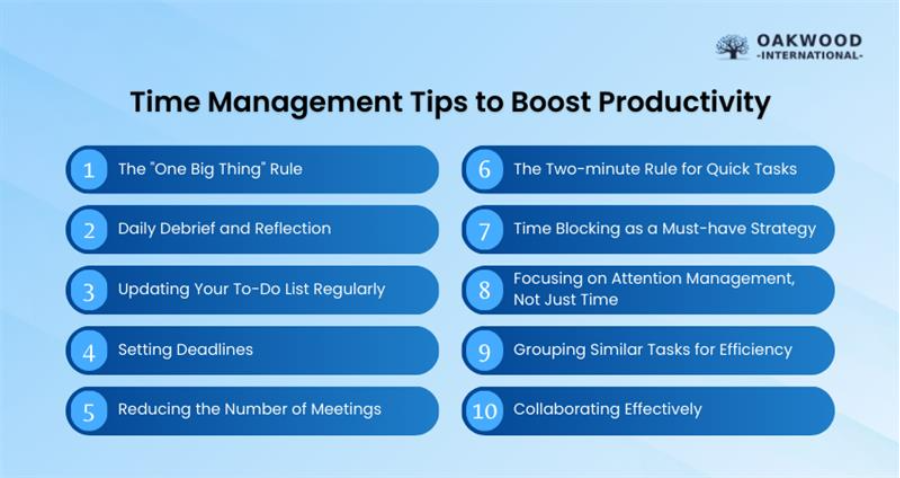
Tip 5: Use the Two-Minute Rule for Small Tasks
If something takes under two minutes, do it immediately instead of adding it to a list you’ll revisit later. This alone clears a surprising amount of mental clutter by end of day.
[link to related guide about leadership qualities here]
Tip 6: Review Your Week Every Friday
Quick answer: A 15-minute Friday review — what worked, what didn’t, what’s carrying into next week — prevents small inefficiencies from silently repeating week after week.
Tip 7: Build Buffer Time Between Meetings
Back-to-back meetings sound efficient on paper but leave zero room to process, follow up, or even use the bathroom. Fifteen-minute buffers reduce the frazzled feeling that builds up by 4 PM.
My Honest Take
A lot of time management advice assumes you have full control over your schedule. Managers don’t, not really. The realistic goal isn’t perfect control — it’s protecting a few key hours and letting go of guilt over the rest.
FAQ
What’s the biggest time waster for managers? Meetings without clear agendas, which consume hours without producing decisions or outcomes.
How can I find more time as a manager? Delegate more aggressively and protect at least one daily block for focused, uninterrupted work.
Is multitasking effective for time management? No — task batching and single-focus blocks are far more effective than switching constantly between tasks.
Should managers plan their day the night before? Yes, a quick end-of-day plan for tomorrow reduces decision fatigue and reactive scrambling in the morning.
How much of a manager’s day should be meetings? Ideally under 50%, though this varies by role and team size.
Conclusion
Better time management for managers isn’t about squeezing more into each hour — it’s about protecting the hours that actually matter. Batch tasks, guard your deep-work block, and delegate with intention. Try just two of these tips this week and notice how much friction disappears from your calendar.