Introduction
Every project that’s ever gone sideways — and I’ve seen plenty — usually skipped one of the core phases in the project management life cycle. It’s not complicated once you break it down, but skipping a step almost always shows up later as a costly surprise.
What the Project Management Life Cycle Actually Is
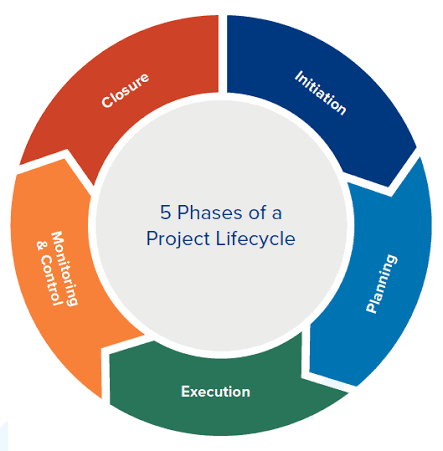
Quick answer: The project management life cycle is a structured sequence of five phases — initiation, planning, execution, monitoring, and closure — that guides a project from initial idea through completion.
Phase 1: Initiation
This is where the project’s purpose gets defined. What problem are we solving? Who’s the client or stakeholder? Is this even worth doing? A project charter, even a simple one-page version, should come out of this phase.
- Define project objectives clearly
- Identify key stakeholders
- Assess feasibility before committing resources
Phase 2: Planning
Quick answer: The planning phase of the project management life cycle involves breaking the project into tasks, assigning timelines, budgeting resources, and identifying risks before any actual work begins.
This is arguably the most skipped phase, especially under deadline pressure. Teams jump straight to execution, then scramble later because nobody mapped dependencies or risks upfront.
Phase 3: Execution
Work actually happens here. Tasks get assigned, resources get deployed, and the team starts producing the deliverables outlined in planning. Communication becomes critical — daily standups or weekly check-ins keep everyone aligned.
Picture a marketing team launching a product campaign — execution phase covers everything from content creation to ad deployment, based entirely on what planning mapped out earlier.
Phase 4: Monitoring and Controlling
This phase runs parallel to execution, not after it. Project managers track progress against the original plan, flag deviations early, and adjust course before small issues become expensive ones.
- Track budget spend against projections weekly
- Monitor timeline milestones, not just final deadlines
- Address scope creep immediately, not after it’s spiraled
Phase 5: Closure
Quick answer: Project closure involves formally completing deliverables, obtaining stakeholder sign-off, documenting lessons learned, and releasing resources — a step many teams rush through despite its long-term value.
I’ve noticed teams that skip proper closure — no retrospective, no documentation — tend to repeat the exact same mistakes on their next project.
[link to related guide about project management tools here]
Why Skipping Phases Causes Problems
Rushing from initiation straight to execution, skipping real planning, is probably the most common failure I’ve seen across industries. It feels faster initially but almost always costs more time fixing avoidable issues later.
Adapting the Life Cycle for Agile Teams
Agile methodology compresses this life cycle into repeated shorter cycles (sprints), but all five phases still exist conceptually — just faster and more iterative rather than one long linear sequence.
FAQ
What are the 5 phases of the project management life cycle? Initiation, planning, execution, monitoring and controlling, and closure.
Which phase of the project management life cycle is most important? Planning, since inadequate planning causes most downstream project failures.
Does agile project management still follow this life cycle? Yes, though compressed into shorter, repeated cycles rather than one long linear sequence.
How long should the planning phase take? It varies by project size, but generally 15-20% of total project time is reasonable.
What happens if the closure phase is skipped? Teams lose valuable lessons learned and often repeat the same mistakes on future projects.
Conclusion
Understanding the project management life cycle gives you a framework that prevents the most common, avoidable project failures. Don’t rush past planning, monitor continuously rather than just at the end, and never skip proper closure. Apply these five phases to your next project deliberately, and you’ll likely notice fewer last-minute fires along the way.