Introduction
Giving feedback well is a skill most leaders never formally learn — they either avoid it entirely or deliver it so bluntly it damages trust. Knowing how to give constructive feedback properly can genuinely change team performance without wrecking morale in the process.
Why Most Feedback Fails to Land
Quick answer: Learning how to give constructive feedback starts with being specific about behavior and impact, rather than vague or personal, and pairing every critique with a clear path forward.
Step 1 — Be Specific, Not Vague
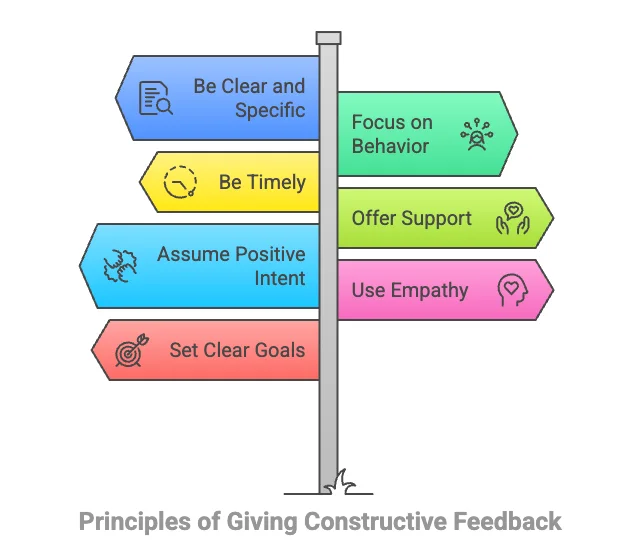
“You need to communicate better” gives someone nothing to act on. Specific examples — what happened, what impact it had — give feedback real, actionable weight.
Step 2 — Separate the Behavior From the Person
- Focus on what was done, not character judgments
- Avoid words like “always” or “never,” which trigger defensiveness
- Frame feedback around a specific instance, not a sweeping generalization
Step 3 — Choose the Right Time and Setting
Public criticism, even well-intentioned, damages trust fast. Private, timely conversations — close to when the situation happened — work far better than delayed, public correction.
Step 4 — Use a Clear, Balanced Structure
Picture opening with genuine strengths, addressing the specific issue clearly, then closing with a concrete next step — this structure keeps feedback balanced without feeling like empty praise-sandwich filler.
Step 5 — Focus on Impact, Not Just the Action
Explaining why something matters — the actual impact on the team or project — helps people understand the “why” behind the feedback, not just the “what.”
Step 6 — Invite a Two-Way Conversation
Has this ever happened to you — delivering feedback as a monologue with no space for the other person’s perspective? Asking how they see the situation often reveals context you hadn’t considered.
Step 7 — Follow Up After Delivering Feedback
A single feedback conversation rarely changes behavior alone. Checking in afterward, acknowledging improvement, reinforces the change far more effectively than a one-time comment.
Common Feedback Mistakes Leaders Make
- Giving vague feedback with no specific examples
- Delivering criticism in front of others
- Avoiding feedback conversations entirely out of discomfort
- Never following up after the initial conversation
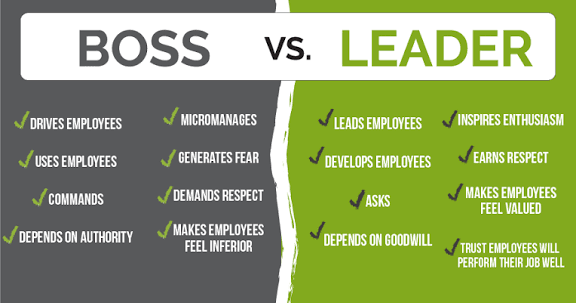
[link to related guide about boss vs leader here]
FAQ
How do I give feedback without damaging someone’s confidence? Be specific about behavior and impact, not character, and pair criticism with a clear, actionable next step.
Should feedback always be given privately? Generally yes — private feedback protects trust and reduces defensiveness compared to public correction.
How soon after an incident should feedback be given? As close to the event as reasonably possible, while details are still fresh for both parties.
Is the “feedback sandwich” method actually effective? It can work if genuine, but forced or formulaic praise before criticism often feels insincere to employees.
How do I know if my feedback style is working? Look for genuine behavior change over time, and ask directly whether your feedback feels clear and actionable.
Conclusion
Constructive feedback, done well, builds trust rather than damaging it — the key is specificity, timing, and genuinely engaging in a two-way conversation. Practice this structure in your next feedback conversation this week, and notice how differently it lands.