Introduction
Anyone can get the title “manager” or “boss.” Becoming someone people genuinely want to follow is a different thing entirely. Understanding the real boss vs leader difference helps explain why some managers command respect while others just command compliance.
Why This Distinction Matters
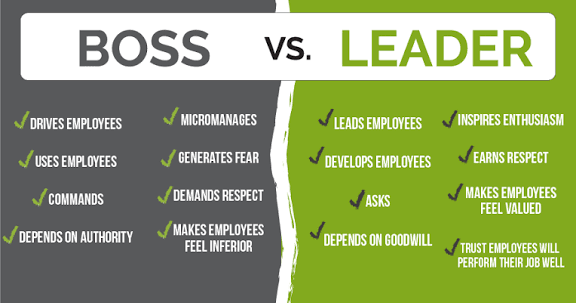
Quick answer: The core boss vs leader difference comes down to authority versus influence — a boss relies on positional power to get things done, while a leader earns genuine buy-in through trust, example, and consistent behavior.
Authority vs. Influence
A boss says “do this because I said so.” A leader explains the “why” clearly enough that the team genuinely understands and buys into the direction.
Taking Credit vs. Giving Credit
- Bosses often take credit for team wins in front of senior leadership
- Leaders publicly credit their team and privately address any shortcomings
Fear vs. Respect
Picture a team that stays quiet in meetings, afraid of a boss’s reaction, versus a team that speaks up openly because a leader has built genuine psychological safety — the difference in output over time is significant.
Directing vs. Developing
Bosses often focus purely on task completion. Leaders invest in developing their team’s skills and long-term growth, even when it takes more time upfront.
Reacting vs. Anticipating
I’ve noticed bosses tend to manage crises as they appear, while leaders build systems and culture that prevent many crises from forming in the first place.
Rigid vs. Adaptive
Bosses often stick rigidly to “how things have always been done.” Leaders stay open to new approaches when circumstances or evidence genuinely call for change.
Can Someone Be Both a Boss and a Leader?
Yes, and ideally, that’s exactly the goal — using positional authority when necessary, while consistently earning genuine trust and respect through leadership behavior day to day.
How to Move From “Boss” Toward “Leader”
- Ask for feedback on your own leadership style regularly
- Practice giving credit publicly and taking blame privately
- Invest visible time in your team’s development, not just task delegation
- Notice whether your team speaks up freely, or stays quiet out of caution
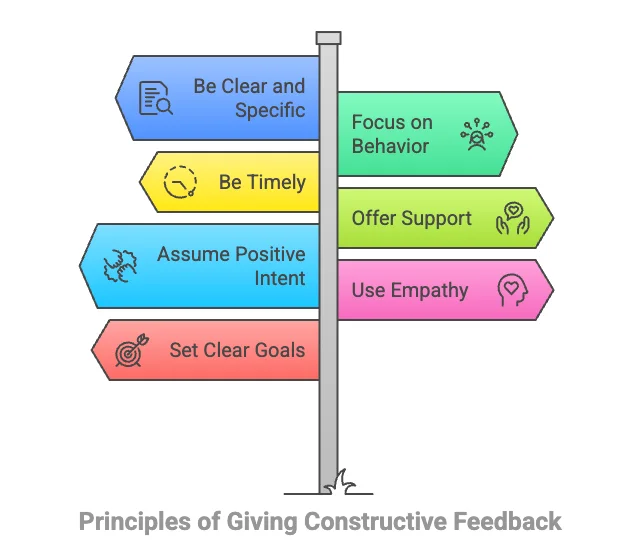
[link to related guide about how to give constructive feedback here]
FAQ
Is being a boss always a bad thing? Not inherently — the title itself is neutral; it’s the behavior and approach that determines whether someone is also a genuine leader.
Can someone become a better leader over time? Yes — leadership qualities like trust-building and active listening can be deliberately developed with practice.
How do I know if my team sees me as a boss or a leader? Notice whether your team speaks up freely in meetings or stays unusually quiet and cautious around you.
Do leaders need positional authority to lead effectively? Not necessarily — genuine leadership influence can exist even without formal authority, though it’s often easier with both.
What’s the fastest way to shift from managing like a boss to leading like a leader? Start by consistently giving credit publicly and having honest, two-way conversations with your team regularly.
Conclusion
The difference between a boss and a leader isn’t about title — it’s about whether people follow you because they have to, or because they genuinely want to. Reflect honestly this week on which pattern better describes your own current approach with your team.