Water is one of those things we use all day without giving it much thought. We drink it, cook with it, wash vegetables, make coffee, and rely on it for countless household tasks. Most of the time, we turn on the tap and expect everything to work as it should. But water quality can vary considerably from one home to another, even within the same neighborhood. Understanding what is in your water, and what you actually need to remove, can make a real difference.
Choosing a water treatment solution doesn’t have to be complicated. It simply requires a little information, a clear idea of your priorities, and a willingness to look beyond the first product you see.
Start by Understanding Your Water
Before buying any equipment, find out what is causing your water quality concerns. A cloudy appearance, unpleasant taste, mineral deposits around faucets, and a lingering chlorine smell can all point to different issues. However, appearance and taste alone cannot reveal every potential contaminant. Some substances are invisible and have no noticeable odor.
A water test provides a more reliable starting point. Depending on your water source, testing may identify hardness minerals, iron, sediment, chlorine, or other substances that require attention. Private well owners may need additional testing for bacteria, nitrates, and other locally relevant concerns. Municipal water users can review their supplier’s water quality report, although testing at home may still be useful if plumbing is old or the water changes as it travels through the property.
This information helps prevent an expensive mistake: buying a system designed to solve a problem you don’t actually have.
Why One Filter Doesn’t Do Everything
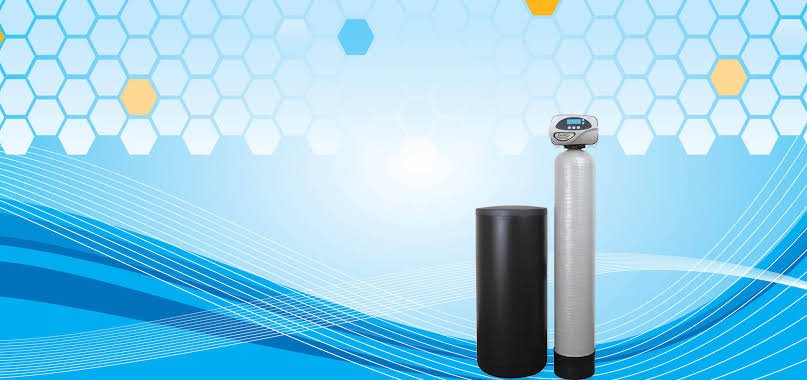
People sometimes assume that a single filter can improve every aspect of water quality. In practice, treatment methods work differently. A sediment filter catches suspended particles, while activated carbon can improve taste and odor by reducing certain chemicals. Water softeners address hardness minerals, and reverse osmosis systems use a membrane to reduce many dissolved substances.
The right combination depends on the water itself. For example, a home dealing with hard water may benefit from a softener, while a family concerned about drinking water taste might prefer a dedicated carbon filter. A property with several different water quality issues could need a more comprehensive approach.
Modern filtration systems are available in many configurations, from compact units installed beneath a kitchen sink to larger systems that treat water entering the entire home. The important thing is to match the equipment to the job rather than assuming the most elaborate setup is automatically the best one.
When Backwashing Filters Make Sense
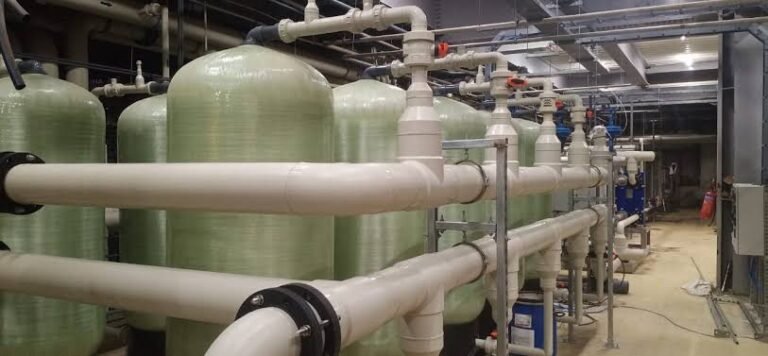
Some water treatment media gradually collect particles or other unwanted materials as water passes through them. Eventually, the accumulated material needs to be removed so the filter can continue operating effectively. Backwashing helps with this process by reversing the direction of water flow through the media and flushing accumulated material to a drain.
Depending on the media and system design, backwashing filters can help address issues such as sediment, iron, manganese, or other specific water quality concerns. They are often used as part of a larger treatment arrangement, especially in homes supplied by wells. Correct selection matters, though. Not every filter media removes every contaminant, and performance depends on water chemistry, flow rate, and installation conditions.
The evolve series backwash filter may be worth considering when evaluating backwashing options for a suitable water treatment application. Before choosing a particular model, check its intended use, media specifications, operating requirements, and compatibility with your water conditions. A qualified water treatment professional can help determine whether it fits your needs.
Backwashing equipment also needs enough water pressure and flow to clean the media properly. If those conditions aren’t met, the system may not perform as expected, even if the equipment itself is well made.
Look Beyond the Product Label
Marketing terms can make water treatment products sound remarkably similar. Labels such as “advanced,” “premium,” or “high performance” may catch your attention, but they don’t tell you exactly what a system removes. Specific performance claims are much more useful.
Look for information about the contaminants a product is designed to reduce, the conditions under which it has been tested, and whether independent certification supports its claims. Standards from organizations such as NSF and ANSI can help consumers compare products, provided the certification applies to the specific reduction claim being advertised.
A contaminant reduction system should be selected according to documented performance rather than broad promises. If you’re concerned about a particular substance, verify that the product is intended and tested to reduce it. Also check whether the system requires pre-treatment, replacement cartridges, routine cleaning, or other ongoing care.
These details might seem small when you’re comparing prices, but they can determine whether the system remains useful after the first few months.
Maintenance Is Part of Water Quality
Even good equipment needs attention. Filter cartridges become exhausted, softener salt may need replenishing, and backwashing systems require correctly configured cleaning cycles. Neglected maintenance can reduce performance and, in some circumstances, create conditions that affect water quality.
Keep a simple record of installation dates, filter changes, and service visits. Follow the manufacturer’s instructions instead of relying on a universal replacement schedule, since cartridge life varies with water quality and household use. If the system has a monitoring display or service alert, learn what the warning indicators mean.
It’s also sensible to understand which tasks you can handle yourself and when professional service is appropriate. Replacing a cartridge may be straightforward, while diagnosing pressure loss or adjusting a complex treatment system may require specialist knowledge.
Consider the Cost Over Time
The purchase price is only one part of the expense. Installation, replacement filters, electricity, water used during backwashing, and periodic servicing can all affect long-term costs. A cheaper unit might be perfectly suitable for a simple problem, but it may not be the most economical choice if it requires frequent replacements or cannot handle your water conditions.
Ask suppliers for a realistic estimate of ongoing expenses. Find out whether replacement parts are easy to obtain and whether the system can be serviced locally. If you’re comparing several options, consider performance, reliability, and maintenance requirements alongside the initial price.
There’s no need to pay for features that don’t address your actual concerns. A straightforward, well-matched system can be more useful than an expensive arrangement packed with unnecessary components.
Make a Choice That Fits Your Home
Water treatment works best when it’s based on evidence and practical needs. Start with testing, identify the specific problems you want to solve, and compare products using clear performance information. Think about maintenance before installation, not after the first warning light appears.
Most importantly, remember that better water doesn’t always require the biggest system or the most complicated technology. It requires the right treatment for the water you have.
With a little research and sensible planning, you can choose equipment that supports your household’s daily needs, helps protect plumbing where appropriate, and makes water easier to trust. That’s a worthwhile investment—not because every home needs the same solution, but because every home deserves a solution that makes sense.