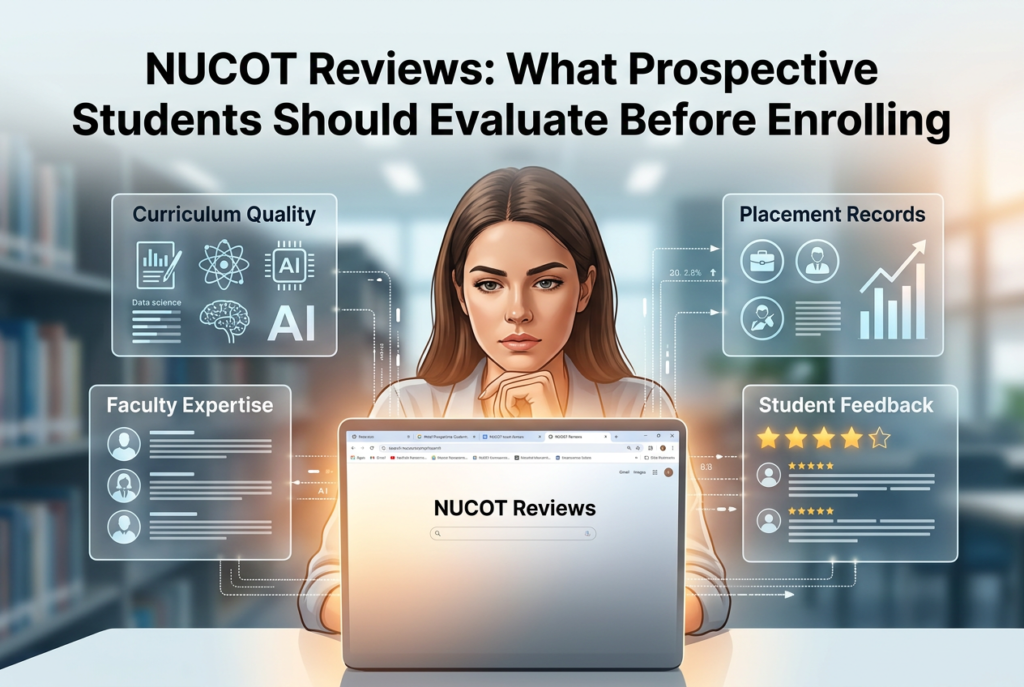
Choosing a training program is an important decision for students and working professionals who want to develop technical skills. Before enrolling, learners often research course content, fees, teaching methods, practical projects and career support. Online reviews can be part of that process, but they should be considered alongside verifiable information about the program.
People searching for NUCOT reviews should approach the decision systematically. Rather than relying on a single opinion, prospective students can compare available feedback with the course details, policies and learning outcomes they want to achieve.
Why Students Research Training Reviews
Reviews can provide insight into other people’s experiences and help prospective learners identify questions to ask. Some reviews focus on teaching quality, while others discuss course schedules, practical exercises, communication or career assistance.
However, individual experiences vary. A review may reflect a particular batch, instructor, expectation or personal circumstance. A small number of comments cannot necessarily represent the experience of every learner.
It is useful to read feedback critically and look for specific, relevant details rather than treating every online statement as established fact.
1. Examine the Course Curriculum
One of the first things to check is whether the syllabus matches your learning objectives.
For a data science program, relevant topics may include Python programming, SQL, statistics, data cleaning, exploratory data analysis, visualisation and machine learning. Some programs may also include Generative AI concepts or business intelligence tools.
The sequence matters as much as the topic list. Beginners need time to understand programming and data fundamentals before progressing to more advanced applications.
Prospective students should request the latest syllabus and clarify which topics are covered in depth, which are introductory and how much time is allocated to practical work.
2. Check Practical Projects and Assignments
Projects can help learners apply theoretical concepts and develop problem-solving skills. For example, a student might analyse a sales dataset, clean inconsistent records, create a dashboard and explain the findings.
When evaluating a course, ask whether projects are completed independently or primarily demonstrated by the trainer. Find out whether students receive feedback and whether they are expected to explain their approach.
A project portfolio can support job applications, but its value depends on the learner’s actual understanding and ability to discuss the work.
3. Evaluate the Teaching Approach
Learning requirements differ. Some students benefit from classroom instruction, while others prefer online sessions because of work or travel commitments.
Ask about class schedules, trainer access, attendance expectations, practice assignments and the process for resolving doubts. If possible, request a clear explanation of the training format before paying any fees.
Feedback about teaching should be considered alongside the actual course structure. A review may describe one person’s experience, but prospective students should confirm current arrangements directly.
4. Understand Fees and Course Policies
Before enrolling, request a clear breakdown of the total fee, registration charges, payment arrangements and any additional costs. Read the refund and discontinuation policies carefully.
Students should retain copies of written terms, receipts and relevant communication. If any part of the fee structure or policy is unclear, ask for clarification before making a payment.
Comparing programs on total value is more useful than comparing headline prices alone. Curriculum depth, practical work, trainer support and schedule suitability all matter.
5. Understand Placement Assistance
Career preparation may include resume guidance, portfolio development, mock interviews and support in preparing for recruitment opportunities.
These services can help learners prepare for the job market, but placement assistance is not a guarantee of employment. Hiring decisions depend on technical skills, interview performance, employer requirements and available vacancies.
When reviewing NUCOT placement information, ask which services are included, whether eligibility or performance conditions apply and how the support process works. Confirm the latest terms directly rather than relying on assumptions or second-hand statements.
6. How to Assess Online NUCOT Reviews
A careful review process should include several checks:
- Look for specific details about the course or service being discussed.
- Consider the date and context of the feedback.
- Compare comments across multiple sources when possible.
- Distinguish personal opinions from claims that can be independently verified.
- Check whether the information matches the current course or policy.
- Contact the provider directly if important questions remain unanswered.
Both positive and negative feedback can help identify areas for further investigation. Neither should automatically be accepted as a complete picture without considering the available evidence.
7. Decide Whether the Program Fits Your Goals
Before enrolling, define what you want to achieve. A beginner may need structured programming instruction, while a working professional may prioritise advanced projects or a flexible schedule.
Compare your goals with the syllabus, expected time commitment, teaching format and course policies. Consider whether you are ready to practise consistently outside class, since technical skills require ongoing application.
The most suitable program is one that aligns with your current level and offers a realistic path toward your learning objectives.
Conclusion
Researching NUCOT reviews can be a useful part of evaluating a training program, but the decision should not depend on online comments alone. Prospective students should examine the curriculum, practical projects, teaching approach, fees and career-support terms.
By checking information carefully, asking specific questions and comparing programs against personal goals, learners can make a more informed decision and set realistic expectations before enrolling.