Introduction
Applying for funding can feel intimidating, especially the first time. If you’re trying to figure out how to get a small business loan, the process is more manageable than it looks once you understand what lenders actually want to see.
What Lenders Actually Look For
Quick answer: Lenders evaluating a small business loan application primarily assess business vintage, revenue consistency, credit score, and collateral (if applicable) — newer businesses with limited history often need government-backed schemes instead of traditional bank loans.
Step 1: Choose the Right Type of Loan
- Term loans — lump sum repaid over a fixed period, good for equipment or expansion
- Working capital loans — cover day-to-day operational expenses
- MSME loans under government schemes — often easier approval for small businesses
- Business credit cards or lines of credit — flexible, smaller amounts
Step 2: Check Government-Backed Schemes First
Quick answer: Schemes like Mudra Loans, Stand-Up India, and CGTMSE offer small business loans with easier eligibility and lower collateral requirements compared to traditional bank loans, making them a strong first option for newer businesses.
Mudra loans, for instance, offer up to ₹10 lakh without collateral for eligible small businesses — a genuinely accessible starting point for many first-time borrowers.
Step 3: Prepare Your Documents in Advance
- Business registration proof and PAN
- Bank statements for the past 6-12 months
- GST returns if applicable
- Income tax returns for the business and owner
- A basic business plan explaining loan usage
Having these ready before applying speeds up processing significantly — I’ve seen applications delayed for weeks simply because documents were assembled reactively rather than upfront.
Step 4: Check and Improve Your Credit Score
Quick answer: A credit score above 700 significantly improves both approval odds and interest rate offers for a small business loan, so checking and correcting any errors on your credit report before applying is worth the time.
Step 5: Compare Multiple Lenders
Don’t apply to just one bank. Interest rates, processing fees, and approval speed vary meaningfully between banks, NBFCs, and online lending platforms. Even a 1-2% interest rate difference matters significantly over a multi-year loan term.
[link to related guide about business registration process here]
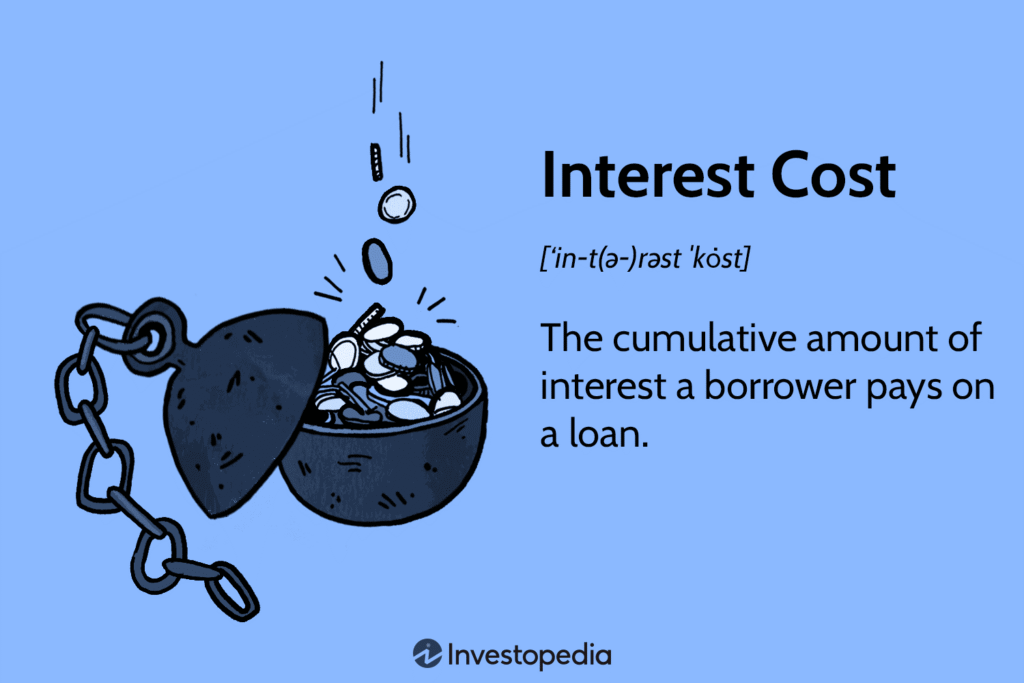
Step 6: Understand the Real Cost Beyond Interest Rate
Processing fees, prepayment penalties, and insurance requirements all add to the actual cost of borrowing. Read the fine print — a slightly lower interest rate with high hidden fees isn’t necessarily the cheaper option overall.
Step 7: Have a Realistic Repayment Plan
Before signing anything, map out exactly how loan repayments fit into your monthly cash flow. Borrowing more than your business can comfortably service, just because it’s approved, is one of the more common regrets I’ve heard from small business owners.
A Word of Caution
Some online lenders offer suspiciously fast approval with very high interest rates. If the offer feels too easy relative to standard bank processes, it’s worth double-checking the actual repayment terms carefully before signing.
FAQ
What is the easiest small business loan to get in India? Mudra loans under the government’s MSME scheme are often the most accessible for small and new businesses.
Do I need collateral for a small business loan? Not always — several government-backed schemes offer collateral-free loans up to certain limits.
What credit score is needed for a small business loan? Generally above 700 significantly improves approval chances and interest rate terms.
How long does small business loan approval take in India? It varies by lender, ranging from a few days for online lenders to a few weeks for traditional banks.
Can a new business with no revenue history get a loan? It’s harder, but government schemes like Mudra or Stand-Up India are more accommodating to newer businesses than traditional banks.
Conclusion
Learning how to get a small business loan comes down to picking the right loan type, preparing documents thoroughly, and comparing lenders instead of settling for the first offer. Government-backed schemes are worth exploring first, especially for newer businesses without extensive credit history. Before applying anywhere, map out your realistic repayment capacity — that single step prevents most of the regret business owners describe after taking on debt too quickly.
Suggested alt text: “Small business owner reviewing small business loan documents and application”