Introduction
Most businesses I’ve worked with have leads coming in but struggle to convert them. Nine times out of ten, the problem isn’t lead quality — it’s a broken sales funnel strategy somewhere in the middle. Let’s fix that properly.
What a Sales Funnel Strategy Actually Does
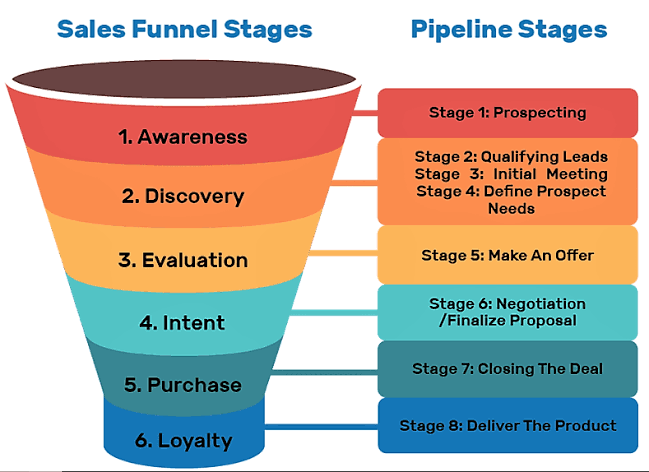
Quick answer: A sales funnel strategy maps the journey a potential customer takes from first becoming aware of your product to actually making a purchase, allowing you to identify and fix drop-off points at each stage.
Stage 1: Awareness
This is where potential customers first discover you exist — through social media, search, referrals, or ads. Your sales funnel strategy here should focus on visibility and grabbing attention, not selling directly.
- Content marketing (blogs, videos, social posts)
- Paid ads targeting relevant audiences
- SEO-driven organic traffic
Stage 2: Interest
Once someone knows you exist, they start evaluating whether you’re relevant to their problem. This stage needs educational content — comparisons, explainer content, case studies — that builds credibility without pushing hard for a sale yet.
Stage 3: Consideration
Quick answer: At the consideration stage, prospects are actively comparing options, so your sales funnel strategy should offer detailed information, testimonials, and clear differentiation from competitors to move them toward a decision.
This is where a lot of funnels leak the most. Prospects get this far, then go quiet because nobody followed up or answered their real hesitation.
Stage 4: Intent and Decision
Prospects showing intent — adding to cart, requesting a demo, asking pricing questions — need fast, personalized follow-up. Delayed response at this stage is one of the biggest silent killers of conversion rates.
Picture someone requesting a demo of your software and not hearing back for three days — by then, they’ve likely already booked with a competitor who replied within the hour.
Stage 5: Purchase and Beyond
Conversion isn’t the finish line. A strong sales funnel strategy includes post-purchase nurturing — onboarding, follow-up, and encouraging referrals, since repeat customers are far cheaper to retain than new ones are to acquire.
[link to related guide about content marketing strategy here]
Common Sales Funnel Leaks and Fixes
- High traffic, low leads → messaging isn’t matching what visitors actually searched for
- Leads generated, no follow-up → missing automated nurture sequences
- Demos booked, low close rate → sales team needs better objection-handling training
- High churn after purchase → onboarding experience needs improvement
A Number Worth Knowing
Industry data generally shows average funnel conversion rates from lead to customer sitting around 2-5%, depending heavily on industry and price point. If you’re significantly below that, something specific in your funnel needs auditing — not just “more leads.”
FAQ
What is the difference between a sales funnel and a marketing funnel? A marketing funnel focuses on awareness and interest, while a sales funnel extends further into consideration, decision, and actual purchase.
How long should a sales funnel take to convert a lead? It varies widely by industry — B2B funnels often take weeks to months, while consumer products convert much faster.
What’s the most common sales funnel mistake? Weak or delayed follow-up at the consideration and intent stages, where most leads are lost.
Do small businesses need a formal sales funnel? Yes, even a simple version helps identify where potential customers are dropping off.
How do I measure sales funnel effectiveness? Track conversion rate between each stage, not just the final purchase number.
Conclusion
A strong sales funnel strategy isn’t about generating more leads at the top — it’s about fixing the leaks in between. Map your current funnel, identify where prospects actually drop off, and fix that specific stage before spending more on lead generation. Audit your funnel this week, stage by stage, and you’ll likely find the fix is smaller and cheaper than you expected.
Suggested alt text: “Sales funnel strategy diagram showing stages from awareness to purchase”