Introduction
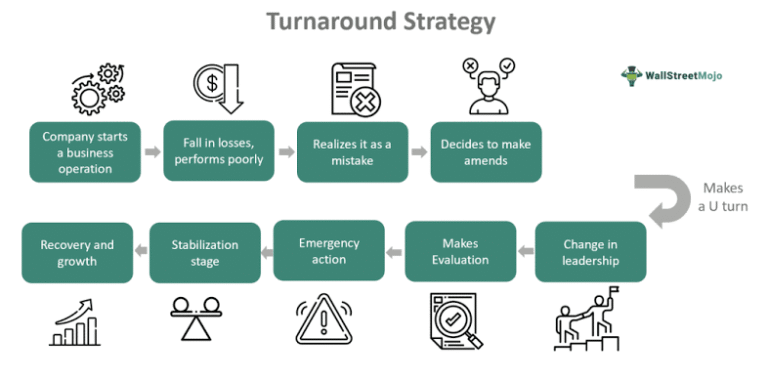
Most startup stories online are about triumphant growth. This one’s different — it’s about a company that nearly shut down and pulled off a genuine turnaround strategy instead. I find these stories more useful, honestly, because most founders will face a rough patch at some point, and knowing what recovery actually looks like matters.
The Situation Before the Turnaround
Quick answer: This case study examines a small SaaS startup that had burned through most of its funding within 14 months, facing under two months of runway left, high customer churn, and a product that had drifted away from its original core value proposition.
The founding team had expanded the product into too many directions, trying to please every customer request, which left the core offering unfocused and genuinely confusing for new users.
Step 1: Radical Honesty About the Problem
The turnaround began with the founders openly acknowledging, internally and to their small remaining team, that the current path led to shutdown within weeks if nothing changed. That honesty, uncomfortable as it was, created urgency that vague optimism hadn’t.
Step 2: Cutting Back to the Core Offering
- Removed three underused features that were confusing new users
- Refocused entirely on the single feature customers actually praised in feedback
- Simplified pricing from five confusing tiers down to two clear ones
Quick answer: The turnaround strategy centered on stripping the product back to its single strongest feature, based on direct customer feedback, rather than trying to be everything to everyone.
Step 3: Talking to Churned Customers Directly
Instead of just analyzing churn data, the founders personally called customers who had recently canceled, asking honestly what went wrong. This uncomfortable step revealed that onboarding confusion, not pricing, was the actual primary churn driver — something the data alone hadn’t made clear.
Step 4: Reducing Costs Aggressively
Team size was reduced from twelve to five, painful as that was, extending runway significantly. Non-essential tools and subscriptions were cut. This bought the time needed for the product changes to actually show results.
Picture a founder personally handling customer support calls again, something they hadn’t done since the early days — that direct customer contact ended up revealing insights no dashboard had surfaced.
[link to related guide about startup mistakes to avoid here]
Step 5: Rebuilding Trust With Remaining Customers
Quick answer: Transparent communication with existing customers about the product changes and the reasoning behind them helped retain a meaningful portion of the customer base through the transition, rather than losing them to uncertainty.
The Results
Within six months of implementing this turnaround strategy, churn dropped significantly, and the simplified product actually improved new customer conversion rates. The company didn’t return to hypergrowth immediately, but it stabilized enough to raise a smaller bridge round and continue operating.
What This Case Study Teaches About Turnarounds
- Acknowledging the real problem honestly, even when uncomfortable, has to come first
- Talking directly to customers reveals things data alone often misses
- Cutting costs buys time, but only product changes actually fix the underlying issue
- Simplification often outperforms feature expansion when a product has lost focus
My Honest Reflection
What strikes me most about this case is how much clarity came simply from talking to real customers instead of just staring at dashboards. I think founders, especially under pressure, often retreat into data and forget that a direct, uncomfortable conversation frequently reveals more in twenty minutes than weeks of analysis.
FAQ
What causes most startups to need a turnaround strategy? Usually a combination of unfocused product decisions, high churn, and burning through funding faster than revenue can sustain.
Is cutting team size always necessary in a turnaround? Not always, but it’s common when runway is critically short and cost reduction buys essential time.
How important is customer feedback during a turnaround? Extremely important — direct conversations with customers often reveal issues that data and dashboards miss entirely.
Can a startup recover after nearly running out of funding? Yes, as this case study shows, though it requires honest problem acknowledgment and decisive action, not gradual half-measures.
Should startups simplify their product during a turnaround? Often yes — refocusing on the core value proposition tends to work better than trying to fix everything simultaneously.
Conclusion
This turnaround strategy case study shows that recovery is possible, but it demands honesty, direct customer conversations, and decisive simplification rather than incremental tweaks. If your own business is struggling right now, the first step isn’t a new marketing campaign — it’s an honest conversation with the customers who’ve already left, since they’ll likely tell you exactly what needs to change.
Suggested alt text: “Startup team discussing turnaround strategy during a critical business meeting”