Introduction
A few years ago, launching an online store meant hiring a developer and waiting weeks. Now you genuinely can figure out how to start an online store in an afternoon, no coding required. I’ve helped a couple of friends set theirs up, and the biggest hurdle usually isn’t technical — it’s decision paralysis.
Why Shopify Remains a Solid Choice for Beginners
Quick answer: Shopify simplifies how to start an online store by handling hosting, payment processing, and design templates in one platform, letting beginners launch without hiring developers or managing separate technical systems.
Step 1: Choose Your Products and Niche
Before touching any platform, get specific about what you’re selling and to whom. A store trying to sell “everything for everyone” struggles far more than one clearly focused on a specific category or audience.
Step 2: Sign Up and Choose a Shopify Plan
Shopify offers tiered plans based on features needed. Beginners typically start with the basic plan and upgrade once transaction volume justifies additional features like advanced reporting or lower transaction fees.
Step 3: Pick and Customize a Theme
Quick answer: Shopify’s theme store offers both free and paid templates — beginners should choose a clean, mobile-responsive theme and customize colors, fonts, and layout to match their brand rather than building from scratch.
- Keep navigation simple — customers should find products in under three clicks
- Use high-quality product photos, since low-quality images kill conversion fast
- Make sure your theme loads quickly on mobile devices
Step 4: Add Products With Strong Descriptions
Generic product descriptions copied from suppliers rarely convert. Write descriptions that address actual customer questions — sizing, material, use cases — rather than just listing features.
Step 5: Set Up Payment and Shipping
Connect payment gateways relevant to your market — in India, this often means Razorpay or similar options alongside standard cards. Set clear, honest shipping timelines; vague or overly optimistic promises hurt trust when reality doesn’t match.
[link to related guide about best payment gateway for ecommerce here]
Step 6: Install Essential Apps
Quick answer: A few essential Shopify apps — for email marketing, abandoned cart recovery, and reviews — significantly improve conversion rates without requiring extensive technical setup.
Step 7: Test Everything Before Launch
Place a test order yourself. Check the entire checkout flow, confirmation emails, and mobile experience. I’ve seen stores launch with a broken checkout button simply because nobody tested the actual purchase flow before going live.
Step 8: Plan Your Launch Marketing
Don’t just launch and hope. Have a plan ready — email your existing contacts, post across social media, maybe run a small introductory promotion to generate initial momentum and reviews.
A Realistic Expectation
Your first month probably won’t be huge. Most successful online stores take three to six months of consistent marketing before hitting steady, predictable sales. Don’t judge the whole venture based on week one.
FAQ
How much does it cost to start an online store on Shopify? Basic plans start around $29-39 monthly, though total costs depend on apps and theme choices.
Do I need coding skills to start an online store? No, Shopify’s drag-and-drop builder and templates require no coding knowledge.
How long does it take to set up a Shopify store? A basic store can be set up within a day or two, though full customization may take longer.
What’s the biggest mistake beginners make starting an online store? Launching without testing the full checkout flow, leading to lost sales from broken processes.
Is Shopify better than building a custom website for e-commerce? For beginners, yes — Shopify handles hosting, security, and payments without requiring developer resources.
Conclusion
Figuring out how to start an online store is far more accessible now than it used to be — Shopify handles most of the technical heavy lifting, leaving you to focus on products, branding, and marketing. Choose your niche, set up a clean store, test everything thoroughly, and have a launch plan ready before going live. Take the first concrete step this week: sign up and choose your theme, even if you’re not fully ready to launch yet.
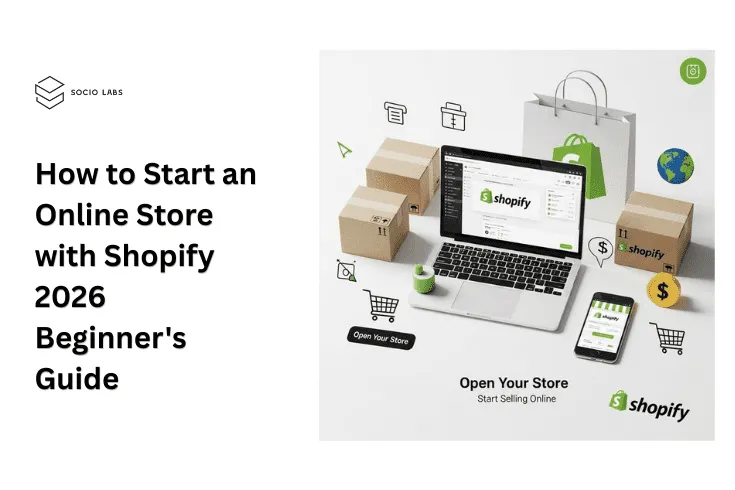
Suggested alt text: “Entrepreneur setting up how to start an online store using Shopify dashboard”