Introduction
A balance sheet looks intimidating the first time you see one — rows of numbers with unfamiliar labels. Learning how to read a balance sheet properly, though, is one of the most useful financial skills any business owner or employee can build.
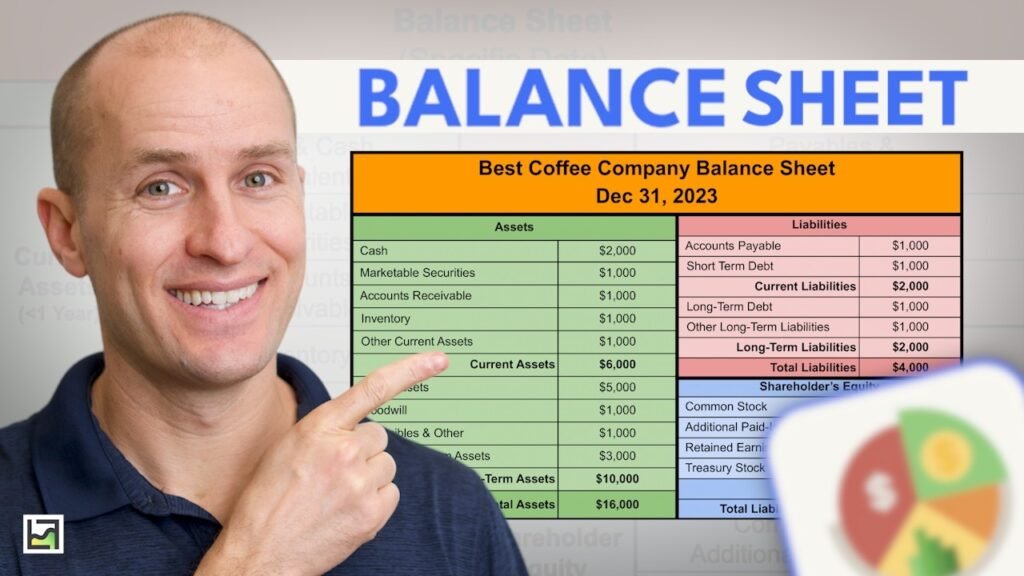
What a Balance Sheet Actually Shows
Quick answer: Learning how to read a balance sheet starts with understanding its three core sections — assets, liabilities, and equity — which together show what a business owns, owes, and is actually worth at a specific point in time.
Section 1 — Assets
Assets are everything the business owns with value, split into current assets (cash, inventory, receivables) and fixed assets (equipment, property, long-term investments).
Section 2 — Liabilities
- Current liabilities — debts due within a year (unpaid bills, short-term loans)
- Long-term liabilities — debts due beyond a year (long-term loans, mortgages)
Section 3 — Equity
Equity represents what’s left for owners after subtracting liabilities from assets — essentially, the business’s net worth on paper at that specific date.
The Core Balance Sheet Equation
Assets = Liabilities + Equity. This equation always balances, which is exactly why it’s called a “balance” sheet — if it doesn’t balance, something’s been recorded incorrectly.
What to Look for as a Beginner
Picture comparing a business’s current assets to current liabilities — if liabilities significantly exceed available short-term assets, that’s an early warning sign worth investigating further.
Key Ratios Worth Understanding
- Current Ratio (current assets ÷ current liabilities) — measures short-term financial health
- Debt-to-Equity Ratio — shows how much the business relies on debt versus owner investment
Common Balance Sheet Reading Mistakes
- Ignoring the difference between current and long-term liabilities
- Assuming high total assets automatically means strong financial health
- Not comparing the balance sheet across multiple periods to spot trends
- Overlooking notes and footnotes that explain unusual figures
[link to related guide about small business tax mistakes here]
FAQ
What are the three main parts of a balance sheet? Assets, liabilities, and equity — together showing what a business owns, owes, and is worth.
Why does a balance sheet need to “balance”? Because assets always equal liabilities plus equity — an imbalance signals a recording error somewhere.
What’s a healthy current ratio for a small business? Generally, a ratio above 1.5-2 suggests solid short-term financial health, though this varies by industry.
Can I understand a balance sheet without an accounting background? Yes — understanding the core sections and a couple of key ratios goes a long way for non-accountants.
How often should I review my business’s balance sheet? Quarterly at minimum, though monthly reviews give earlier warning of emerging financial issues.
Conclusion
A balance sheet isn’t just for accountants — it’s a genuinely useful snapshot of financial health that any business owner can learn to read confidently. Pull up your own balance sheet this week and identify the three core sections before digging into the details.