Introduction
The hardest part of freelancing isn’t the skill — it’s landing that first client when you have zero portfolio and zero testimonials. I’ve walked a few beginners through this exact problem, and honestly, the strategies that work are simpler than most “freelancing gurus” make them sound.
Why the First Client Feels So Hard
Quick answer: Getting your first freelance client feels difficult mainly because most platforms and prospects favor proven experience, so beginners need to create their own proof points before relying on client-driven trust signals like reviews.
Step 1: Build a Small Portfolio Before You Have Clients
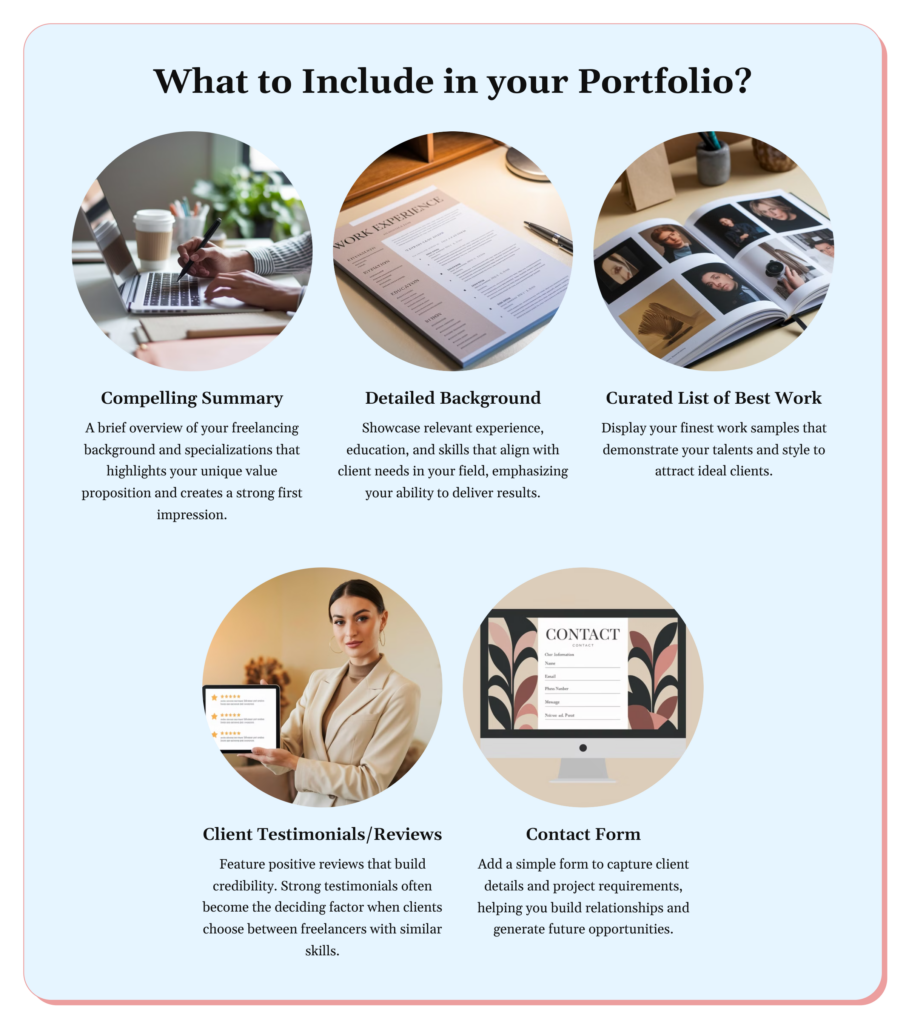
Do two or three sample projects for free or at a steep discount, ideally for real (even small) businesses, not just fictional practice pieces. A real example, even unpaid, shows more credibility than an empty portfolio.
Step 2: Start With People You Already Know
Quick answer: Your existing network — friends, former colleagues, family running small businesses — is often the fastest source of your first paying client, since trust is already partially established.
- Message people directly instead of just posting vaguely on social media
- Offer a specific service, not a generic “let me know if you need anything”
- Ask happy first clients for referrals immediately after delivery
Step 3: Use Freelance Platforms Strategically
Platforms like Upwork or Fiverr work, but beginners often waste effort applying broadly instead of narrowing focus. Pick one specific service, write a tight, specific proposal for each job, and expect a lower response rate initially — that’s normal, not a sign you’re doing it wrong.
Step 4: Cold Pitch Small Businesses Directly
Picture a local bakery with an outdated Instagram page — a short, specific pitch offering to improve their social presence, with one free sample post attached, often gets more response than generic cold emails ever do.
Step 5: Price Slightly Lower Initially, Then Raise Rates
Quick answer: New freelancers benefit from pricing modestly below market rate for their first several projects to build reviews and testimonials quickly, then raising rates steadily as demand and proof of work grow.
I’ve noticed freelancers who start too high with zero proof struggle to land anything, while those pricing reasonably at first build momentum faster and raise rates within a few months anyway.
[link to related guide about best freelancing platforms here]
Step 6: Follow Up Instead of Waiting Silently
Most freelancers send one pitch and give up if there’s no response. A polite follow-up after 4-5 days often gets replies that the original message didn’t, simply because inboxes get busy.
Step 7: Ask Every Client for a Testimonial
Even a two-line testimonial adds real credibility to your next pitch. Don’t skip this step just because the project felt small — small project testimonials still build trust for beginners.
FAQ
How do I get my first freelance client with no experience? Build a small free or discounted portfolio, then leverage your existing network before moving to cold pitching or platforms.
Should I lower my prices as a beginner freelancer? Yes, modestly, to build initial reviews and testimonials faster, then raise rates as demand grows.
Are freelance platforms like Upwork worth it for beginners? Yes, though success requires narrow focus and specific, tailored proposals rather than generic mass applications.
How long does it typically take to land the first freelance client? It varies, but many beginners land their first paid project within 2-4 weeks of consistent outreach.
Is cold pitching effective for getting freelance clients? Yes, especially when personalized with a specific example or sample relevant to that business.
Conclusion
Learning how to get freelance clients as a beginner comes down to building small proof points, leveraging your existing network first, and following up consistently instead of pitching once and giving up. Send five specific pitches this week — to people you know, local businesses, or a platform — and treat the first few projects as reputation-building, not just income.
Suggested alt text: “Freelancer working on laptop trying to get freelance clients as a beginner”