Introduction
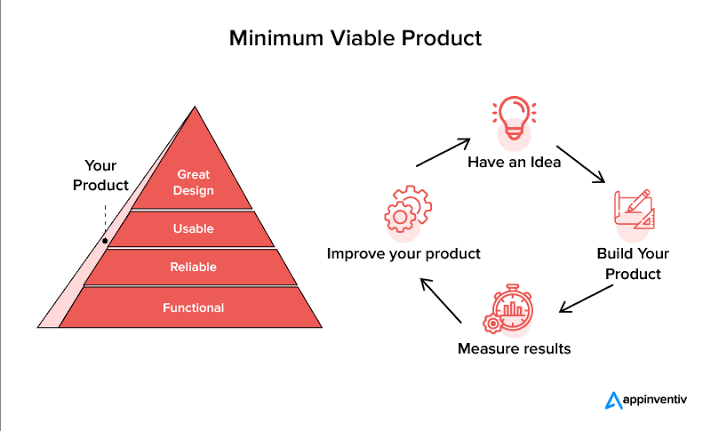
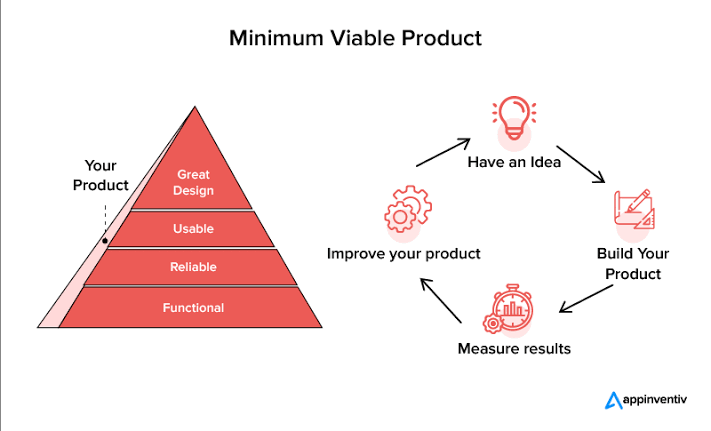
Founders love adding “just one more feature” before launch — and that instinct quietly kills budgets and timelines. Learning how to build an MVP properly means resisting that urge and shipping the smallest version that still tests your core idea honestly.
What MVP Actually Means (and Doesn’t)
Quick answer: Learning how to build an MVP starts with identifying the single core problem you’re solving, then building only what’s needed to test whether people will actually use or pay for that solution.
Step 1 — Define the One Core Problem
Before writing a single line of code, get brutally specific about the one problem you’re solving. Everything else is a distraction at this stage.
Step 2 — List Every Feature, Then Cut Ruthlessly
- Mark features as “must-have to test the core idea” or “nice-to-have later”
- Cut anything in the second category without guilt
- Ask honestly: does this feature help validate the idea, or just make it feel more complete?
Step 3 — Consider a “Fake Door” or Manual MVP First
Picture testing demand with a simple landing page and a manual back-end process before building any real software — this approach validates interest with a fraction of the cost and time.
Step 4 — Use No-Code or Low-Code Tools Where Possible
Modern no-code platforms let you test many ideas — booking systems, marketplaces, simple apps — without hiring developers upfront. Save custom development for once you’ve validated demand.
Step 5 — Launch Before You Feel Ready
I’ve noticed founders delay launch for months polishing a version nobody’s even asked for yet. An imperfect MVP in real users’ hands beats a polished one still sitting in development.
Step 6 — Set a Clear Budget Ceiling
Decide upfront how much you’re willing to spend building the MVP, and treat that number as a hard limit, not a rough guideline.
Step 7 — Measure Real Usage, Not Just Sign-Ups
Sign-ups feel exciting, but actual usage tells the real story. Track how many people use the product repeatedly, not just how many tried it once.
Common MVP Mistakes
- Adding too many features before testing the core idea
- Spending months building instead of launching in weeks
- Skipping manual or no-code testing options entirely
- Confusing sign-ups with genuine product-market interest
[link to related guide about why startups fail here]
FAQ
How long should building an MVP take? Ideally a few weeks to a couple of months — longer timelines usually signal scope creep.
Do I need to hire developers to build an MVP? Not always — no-code tools or manual processes can test many ideas before custom development is needed.
What’s the difference between an MVP and a full product? An MVP tests the core problem-solution fit with minimal features; a full product adds polish and scale after validation.
How much should an MVP cost to build? It varies widely, but setting a strict budget ceiling upfront helps avoid unnecessary overspending.
What’s the biggest MVP mistake founders make? Adding too many features before confirming anyone actually wants the core solution in the first place.
Conclusion
The whole point of an MVP is speed and honest feedback, not perfection. Strip your current plan down to the single core feature this week, and get it in front of real users before adding anything else.